Ghost kitchens. Cloud kitchens. Virtual restaurants. Dark kitchens.
You’ve probably heard one (or all) of those terms recently. That’s because ghost kitchens are one of the hottest trends in the restaurant industry right now.
Ghost kitchens are not only a huge trend — they’re a great way that restaurant owners can boost their revenue. They’re also a way for more people to start restaurants without the traditionally high start-up costs that come with having a brick-and-mortar eatery.
Whether you just want to stay up-to-date on the restaurant industry’s biggest trends, or you’re considering starting up a ghost kitchen of your own, this ultimate guide will explain everything restaurateurs need to know about ghost kitchens — how they work, their pros and cons, and the one tool you need to give your ghost kitchen the online presence it needs.
What Is a Ghost Kitchen?
Or, to put this question another way, what is a virtual restaurant? What is a cloud kitchen? A dark kitchen?
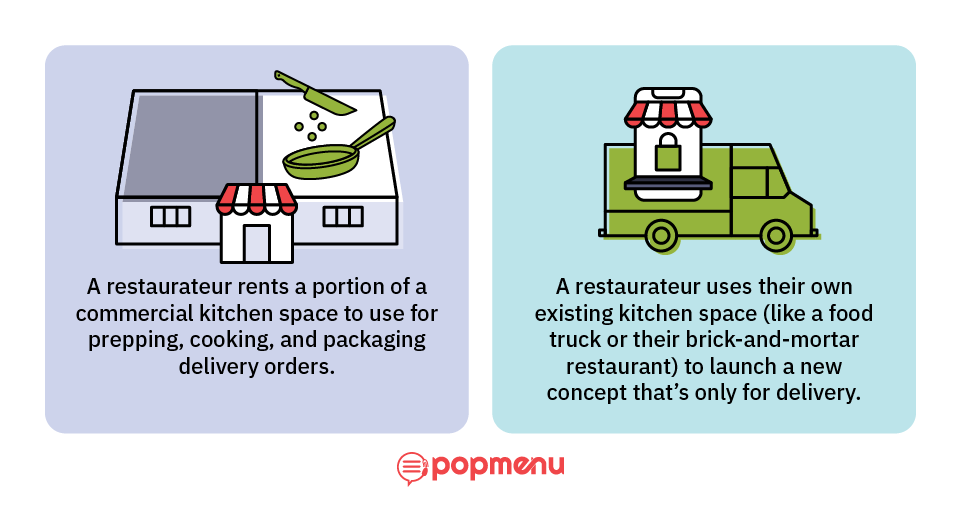
They’re all essentially the same thing. A ghost kitchen is an online-only, delivery-only restaurant. This usually takes one of two different forms:
How a Ghost Kitchen Works
Here’s what both of those two ghost kitchens might look like in practice.
-
For the first option, a restaurateur has an idea for a great taco joint, but doesn’t want the overhead of running a brick-and-mortar, dine-in restaurant. So, instead, he rents a commercial kitchen in his area, where he can store ingredients, prep and cook food, package it, and have it picked up by delivery drivers. If you’ve heard of the startup Cloud Kitchens, this is the model they use — they provide restaurateurs with storage space and commercial kitchens so all they have to do is cook and deliver the orders.
-
For the second option, a restaurateur already runs a popular brick-and-mortar bistro. But she has an idea for a restaurant that offers late-night delivery of a variety of fancy grilled cheese sandwiches. She doesn’t want to serve that menu in her bistro — it doesn’t fit the vibe. So she launches an online-only, delivery-only grilled cheese restaurant, but she can prep and cook the sandwiches in her bistro’s kitchen. One kitchen, two restaurants.
These are just some basic examples. But the concept of a ghost kitchen stays the same: It only exists online to fulfill delivery orders. There’s no physical location that guests can visit to dine in.
Pros and Cons of Running a Ghost Kitchen
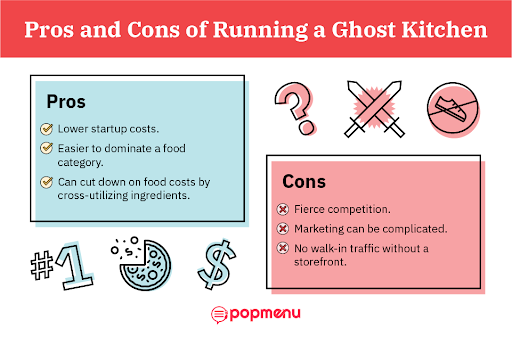
Ghost kitchens come with their own set of pros and cons, compared to running a traditional restaurant.
Why Are Ghost Kitchens Becoming So Popular?
To put it simply, ghost kitchens are a huge trend because delivery is exploding right now.
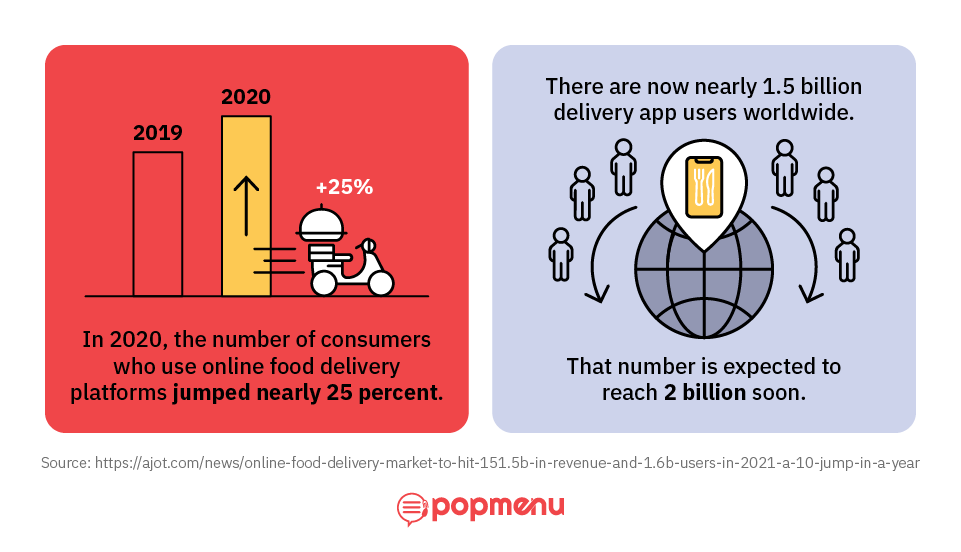
In 2020, the number of consumers who use online food delivery platforms jumped nearly 25 percent. There are now nearly 1.5 billion delivery app users worldwide. That number is expected to reach 2 billion soon.
Even as the food delivery industry exploded, though, 2020 was a tough year for restaurants. Third-party delivery apps charge high fees and commissions on every order, and with their dining rooms shuttered and delivery becoming their primary revenue stream, many restaurants struggled to turn profits.
Ghost kitchens may be a way for restaurants to stay afloat during the pandemic. Being able to offer multiple delivery concepts under one roof can boost revenue, and we’re already seeing restaurateurs all over the country turn to this strategy as they continue to ride out the pandemic.
How to Set Up a Ghost Kitchen or Virtual Restaurant
Interested in setting up a ghost kitchen of your own? Here’s how to get started.
Step 1: Choose Your Concept
The first step is deciding the concept for your ghost kitchen. For this, there are a few strategies that might help your virtual restaurant be more successful:
-
Try to find a niche that’s under-served in your delivery area. For example, if there are no restaurants in your neighborhood that deliver great wings, that’s an opportunity for a new restaurant to capture that craving.
-
Make sure your concept is delivery optimized. Some food just doesn’t travel well. When choosing your concept, try to focus on foods that can be packaged and transported without sacrificing quality.
Step 2: Find a Location
If you already have a restaurant and are adding a virtual concept to your existing kitchen, great! You can skip this step.
If you’re starting your ghost kitchen from scratch, you’ll need to find a licensed commercial kitchen where you can store and prepare your food. When choosing your location, keep delivery radiuses in mind — while it may be cheaper to rent a space that’s far from residential areas, that might throw a wrench into your delivery logistics.
As you choose a location where you’ll run your ghost kitchen, make sure to follow any local laws and regulations for business registration, safe food handling certification, insurance, and whatever else is required to operate a restaurant where you live.
Step 3: Choose Your Providers
For the next step, you’ll need vendors for your food, packaging, and other supplies. But you can also start the process of choosing a delivery provider.
For this, you have a lot of options. Third-party food delivery apps have exploded in popularity in recent years, and they provide a quick and easy way to reach delivery customers in your area through the marketplace format. But there are some downsides to using those platforms — namely, the cost. Most of them charge hefty fees, plus commissions on orders, but ghost kitchen operators view that as a necessary expense for getting in front of guests and not dealing with the logistics/liability of managing their own drivers.
You can choose to go with in-house delivery, but for that, you’ll need the right tools. More on that below.
Step 4: Brand Your Virtual Restaurant
Since your restaurant is online-only, it needs a killer digital presence.
There are a lot of small business website builders you could choose, but there’s one problem with those: They aren’t made just for restaurants.
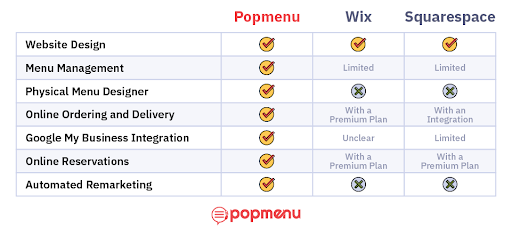
Popmenu is.
Popmenu is an all-in-one digital toolkit for restaurants, but it’s perfect for ghost kitchens for a few reasons:
In other words, Popmenu is a one-stop shop for building your ghost kitchen brand, marketing it, and getting guests to place orders.
Step 5: Use Data to Iterate on Successes
Once you start delivering orders from your ghost kitchen, you can analyze what works and what doesn’t, add new items to your menu, and iterate to make your virtual restaurant as successful as possible.
But to do this, you need data about your guests and their orders. And if you use a third-party delivery app, it gets that valuable guest data, and it probably won’t share it with you.
That’s just another reason to use Popmenu for your ghost kitchen — it collects data on online orders, deliveries, and guest behavior, and you get to keep it all. Plus, Popmenu comes with automated re-marketing, which means the platform itself will utilize guest data to remarket to your customers, turning them into regulars without you having to do anything but make their food.
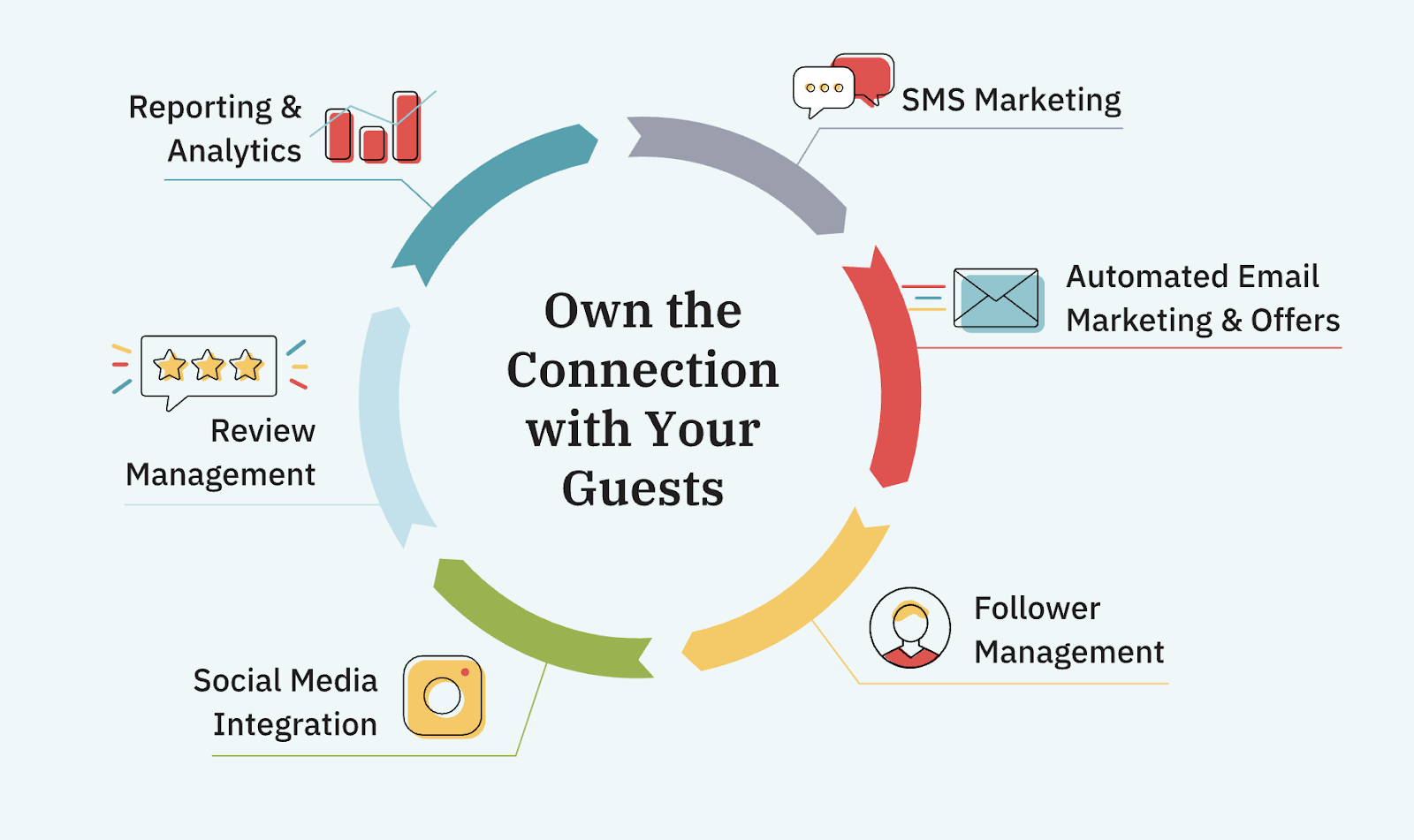
Why Ghost Kitchens Need Popmenu
An online-only restaurant needs the best suite of online tools. That’s Popmenu.
Ready to see how Popmenu can take your ghost kitchen to the next level? Schedule a demo today.